
Appliance Removal
Appliance removal in Huntsville covers refrigerators, chest freezers, washers, dryers, dishwashers, stoves, water heaters, window units and central AC condensers, carried out from the kitchen, the laundry nook, the garage or the side yard and hauled off in one visit. Freon units and water heaters go to the right facility, not the curb. One appliance is a single-item pickup; a kitchen's worth is a load, and a photo gets you the price.
The most common call is the old refrigerator or chest freezer that has been running in the garage for a decade, followed by the washer-dryer pair that did not make the move and the water heater a plumber left in the driveway. All three are things the city truck will not take, which is usually how people find us.
Why the city truck will not take it
Curbside bulk pickup in Huntsville has limits, and appliances with refrigerant are one of them. A fridge, a freezer, a dehumidifier or an AC unit has to have the refrigerant recovered before it can be scrapped, and the curb crew is not set up to do that. Water heaters, dishwashers and stoves are heavy, awkward and often left out too.
So the appliance sits at the end of the driveway for a week, then goes back in the garage. We haul what the city truck will not, and the load goes to the proper facility where the refrigerant gets handled and the metal gets recycled. You do not have to drive it anywhere or figure out which line to stand in.
We do not quote city schedules or fees here because they change. What does not change is that a freon appliance needs a hauler or a trip to the facility, and the hauler is the one that comes to you.
Fridges, freezers and freon
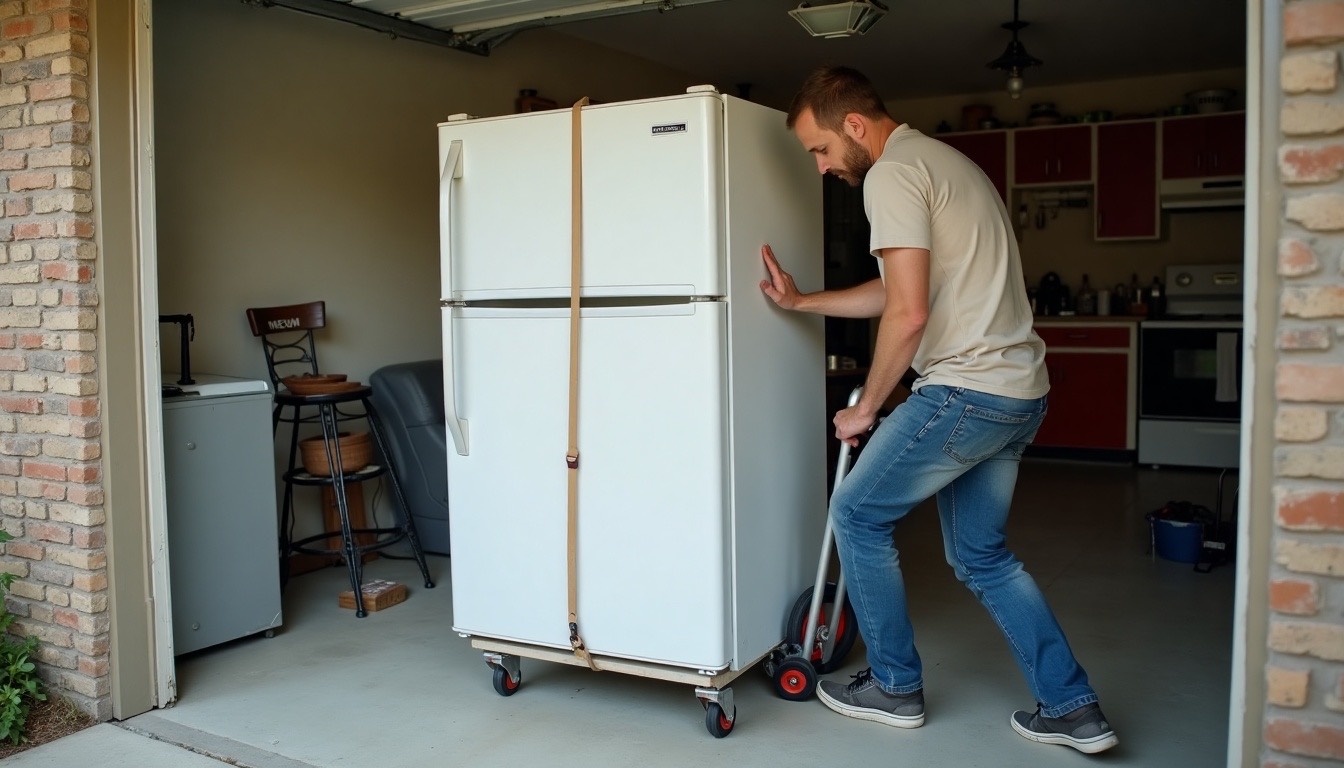
Refrigerator disposal starts with the walk out. We unplug it, tape or strap the doors, tip it onto an appliance dolly and roll it to the truck. A side-by-side from a kitchen with a narrow hallway sometimes needs the doors off; we carry the tools and put nothing back crooked. Garage fridges come out faster because the path is flat.
Chest freezers are the heavy one. A full-size chest freezer that has been dead for a month is also the worst smell in the business, so if yours has quit, say so in the form and we come ready. We take the contents too if you cannot face them.
Window units, portable ACs, dehumidifiers and the condenser unit a HVAC crew swapped out all ride the same way. Freon appliances are quoted as single items and go to the facility that recovers the refrigerant before scrapping. You never pay a separate environmental line; it is inside the price.
Washers, dryers and water heaters
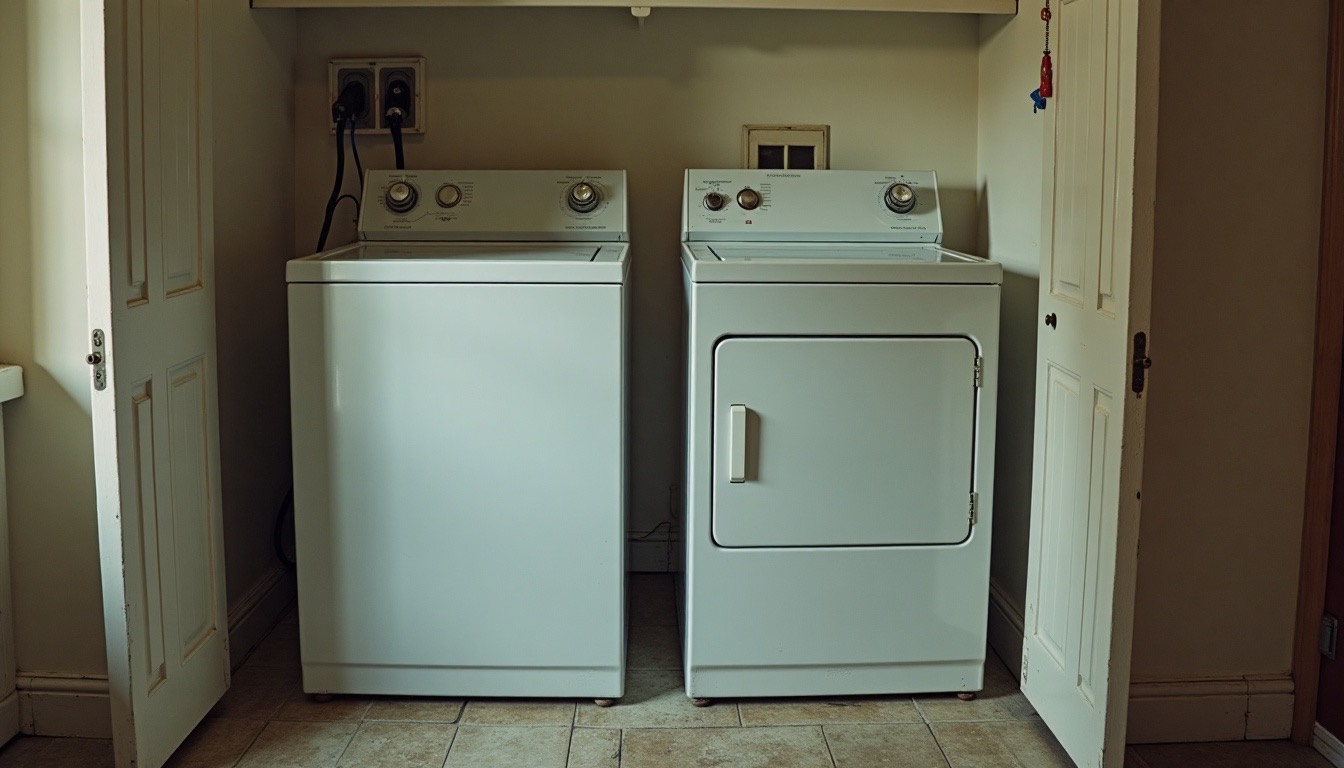
A washer and dryer pair is one of the easier pickups if the hoses and the dryer vent are already disconnected. If they are not, we disconnect them, cap the water lines and carry the pair out. Front-loaders are heavier than they look and stacked units need two people and a plan for the stairs; tell us which you have.
Water heaters come out of closets, garages and attics. An attic water heater is the job nobody wants in July, when the space is above 90 degrees. We bring the straps and the ladder work is ours. Tank-type units go to scrap; we drain any that still hold water in the driveway, not the hallway.
Stoves, ranges, dishwashers, built-in microwaves and range hoods go too. We do not do the gas disconnect; have the gas line capped before we arrive and the rest is ours.
If you are replacing the appliance, the simplest schedule is the morning the new one is delivered. The old unit is out and on our truck before the delivery crew needs the spot.
How pricing works
A single appliance is a single-item pickup. Two or three appliances from one address usually price as a quarter load, which costs less than three single-item trips. A whole kitchen's worth, or the appliances plus a garage pile, goes by load size like any other job.
Freon units carry the facility's refrigerant handling inside the price. There is no surprise line at the truck.
The quote comes from a photo through the form. Take the picture with the appliance in the frame and a bit of the path out, hallway, stairs or garage door, so we can see what the carry looks like.
If the unit is dead and full, if it is stacked, or if it sits in an attic, say so. Those change the crew we send more than the price.
Scrap and recycle routing
Nearly every appliance is mostly steel, which is why none of it should go in a landfill. Fridges, freezers and AC units go to the facility that recovers the refrigerant first and recycles the shell. Washers, dryers, water heaters, stoves and dishwashers go straight to metal recycling.
A working unit that someone is replacing for the look of it, a fridge with a few years left, a washer that still runs, comes off the load for the donation outlets in Huntsville. We donate or recycle what we can, and appliance loads are where that promise is easiest to keep.
Questions we get
How do I dispose of a chest freezer in Huntsville?
It needs the refrigerant recovered before it can be scrapped, so the city truck will not take it and a regular scrap run is not the answer. Send a photo through the form; we unplug it, strap the lid, roll it out and take it to the facility that handles the refrigerant. If it has died with food in it, say so and the crew comes ready.
What is the best way to get rid of an old refrigerator?
If it still runs and is less than about fifteen years old, a donation outlet may take it. If it is dead or ancient, a hauler is the simplest route: we carry it out of the kitchen or garage, haul it, and the refrigerant and the steel both get handled at the facility. One fridge is a single-item pickup.
Will you disconnect the washer and dryer?
Yes. We shut off the water, pull the hoses, disconnect the dryer vent and cap what needs capping. The one thing we do not do is the gas line on a gas dryer or stove; have that capped before we arrive.
Do you take water heaters and AC units?
Yes. Tank water heaters from closets, garages and attics, window units, portable ACs and the outdoor condenser a HVAC crew left behind. Freon units go to the facility that recovers the refrigerant; the rest goes to metal recycling.
Send a photo of the appliance
A picture of the unit and the path out, plus the address. You get a single-item or load price back, usually the same day.